Thursday, February 07, 2019
Tuesday, April 15, 2014
Tuesday, April 01, 2014
The Lady and the Dragon
The Writing Prompt:
Write about the dragon who rescued the princess from the knight.
My 3-Minute Response:
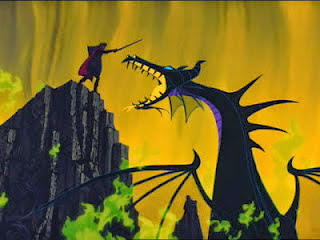
Dragon to Knight: “Dude, the lady, she is mine."
Knight draws his sword: “You’ll have to kill me first!”
Dragon takes in a deep breath. Blows hard. Flames engulf Knight. His armor bubbles and cracks. His beard catches fire. His eyes explode.
Princess drops Knight’s hand. Races over to Dragon.
“Lady,” he says, and bows down.
Princess drapes a white kerchief over his mouth.
“You have awful breath,” she whispers.
~sr~
Write about the dragon who rescued the princess from the knight.
My 3-Minute Response:

Dragon to Knight: “Dude, the lady, she is mine."
Knight draws his sword: “You’ll have to kill me first!”
Dragon takes in a deep breath. Blows hard. Flames engulf Knight. His armor bubbles and cracks. His beard catches fire. His eyes explode.
Princess drops Knight’s hand. Races over to Dragon.
“Lady,” he says, and bows down.
Princess drapes a white kerchief over his mouth.
“You have awful breath,” she whispers.
~sr~


Tuesday, March 18, 2014
Casino
It’s the city that never sleeps, thought Mindy. She took a sip of her daiquiri and frowned. Too sweet. She held the glass anyway, twirling it in her hands.
That would be New York, the man said, leaning over her to snag an extra olive off the bar tray.
Mindy frowned. She’d spoken out loud. This wasn’t the first time, but it was getting to be a habit. A bad one, by the way this man was looking at her now. He had a nice enough face, she supposed. A bit wrinkled around the eyes and when he smiled he had all his teeth. He slid onto the empty stool next to her.
This is Vegas, he said, glancing around the gold room. And it was gold: wallpaper, light fixtures, carpet. Even the wait staff was decked in gold with blood-red accents. Overhead fixtures were fitted with gold filters, making the light an ambient gold instead of harsh fluorescent white. Mindy glanced at the man. His skin would be harshly lit in other lights, cheeks over-exposed, blue eyes washed out. In this room he was a mellow gold, a perpetual suntan. Midas, Mindy thought to herself. Made of money.

The man laughed again, charmed. I’m not that rich, he said. But I can buy you another drink. He signaled the waiter.
Mindy set down her glass and studied the lipstick ring. Sorry, she said, then louder, in case she only said that word in her head. It would figure. Saying crazy things out loud when she should be silent and keeping mum when she needed to speak.
He looked at her. For?
She looked at him and lied. One too many of these. I can’t tell if I am talking or thinking anymore. I don’t mean to be rude. Call you Midas. She set the glass down, stood to go.
He put a hand out, gently. Don’t. Don’t go. Please. He smiled again, flashing teeth that were a little too bright in the gold room. Caps, Mindy thought, then prayed she’d kept that one to herself.
She slid back on the stool, half on, half off. One foot on the rung, the other tapping the floor. Whipping out a beat to a tune only she could hear. She could feel her body shaking, even her breasts were in motion and now her hands were barely still on the bar top. Her foot wasn’t shaking. She was. She could feel it, sorrow rising up like backwash in a dirty lake. Who was this man anyway? She only wanted to sit in the casino. Be alone. Stare at the lights. Talk herself down.
My name is Daniel, he said. Rhymes with Midas. He laughed. Threw his head back, and his hair, a bit unruly with a cowlick and a curl, flopped over his ears like a shaggy dog.
Cute, sarcastic Mindy said, then covered her mouth, hoping he hadn’t heard. He had of course, his grin was back. He quickly patted the back of her hand, then slid a fresh drink before her.
Mindy picked up the napkin, dabbed her mouth. She studied her pink lip print and frowned. The casino was deafeningly loud, a peaking crescendo this close to midnight. Still, he seemed perfectly tuned in to the whispered words that slid out of her mouth.
Except she probably wasn’t whispering. Maybe not shouting, maybe just speaking clearly, sounding out her mind, the way she always did. It was what Harry loved about her.
She pressed her lips, gently forcing them apart. For a moment she felt the line of her teeth, tongue darting to the roof of her mouth. A parody of a dummy, lips jerking without a hand to hold her up. She spoke. I think out loud, I talk to myself. Sometimes I say odd things. Sometimes I forget I’m not alone.
She glanced around the casino. Hard to believe I’m even here, it’s where I most don’t want to be.
Daniel was staring at her, eyebrows furrowed, one long bridge across his nose. She pressed her mouth again, said: I don’t want to be here. I don’t want to talk. To you, to anyone. Then she made a zipping motion, sealing her lips closed. She picked up her glass and moved away.
Wait 'til I tell Harry! Moving my mouth like some madcap dummy. Harry will -- Mindy stopped. Harry was why she was here, stuck in this endless round of drinks and bars and strange men.
2
Another casino. Another conjoined embryo, seamlessly connected. Inside, the colors were different, the servers, the music. Costumes in this new space: masks, feathers, sequins, an eternal Mardi Gras. As she stepped through the doorway, someone draped a strand of beads over her head. It caught on her ear, hung like a purple strand of glitter. She let it be, thinking it a strange flower, somehow right.
Mindy sat at another bar, faced another mirror. Touched her lips. You’re not going to start that again, she said. This time her lips stayed closed.
She looked at her fingers, wiped away the pink lipstick on her napkin. Someone talks to you, you just answer. Like you use to do when Harry was alive.

The bartender leaned in, smiling. He said, Can I – and then pulled the purple garland out of her hair and settled it around her neck. His fingers lingered, burned.
Now. What can I get you?
No more daiquiris. Wine? No. Harry never liked either.
Scotch, she said. With a beer chaser. Then she winced, knowing the combination would make her violently ill later. So who cares, she said. Out loud.
‘Scuse me? He set the drinks down, wiped the bar with a white towel.
Mindy smiled, lifted the Scotch. Cheers, she said, and swallowed.
Anything but, her mind flipped back. Mindy choked on the slow fume, started to cry.
Hey hey, he said, reaching for the glass. Mindy pulled back, knocked over the beer. It splashed across the polished mahogany, funneled onto the floor. She fumbled in her purse and stuffed a wad of bills in his hand.
Sorry. To herself. Sorry. Out loud.
Sorry.
3
Another casino. King Arthur this time, a fantasy inside her bad dream. Sitting in a restaurant this time, the buffet behind her. A plate of cold eggs, bacon, toast. Coffee. No one paying attention to her. No one talking to her, touching her. Why must they touch?
Stop touching me, to the server who came to drop the check. He had set a hand on Mindy’s shoulder. The paper fluttered to the table. Mindy pinned it under the water glass.
Mindy looked at herself in the mirrored walls. Wide green eyes, ringed with sleepless nights and failed mascara. Full lips, swollen from too many licks of pink. Tousled hair, black and white, pepper and salt. Small hands, nails bitten, flecks of red polish looking more like blood down by the cuticles.
You’re still beautiful. Harry’s voice. Guys always want to talk to a pretty girl.
Her gaze dropped. Figure, better now than before. Not eating, not sleeping, not breathing, not being. It agreed with her waistline, had leavened her breasts. The dress, not new, not old. Worn once on her wedding, twice on a cruise. Now it skimmed where it had stuck.
You could wear a burlap bag. Harry used to say. You’d still be my beautiful wife.
Mindy started. Lurched out the door and into the lobby. Through the double doors, past the slot machines, Black Jack, craps.
More lights, more blaze, more heat.
The lights never go off in the city, she said. To herself. The casino is always day and it’s always night. Conversational, said to the waitress gliding past.

Roulette: random wheel, matching pebble. Mindy slides over a pile of chips, watches the wheel race and slow, the white rabbit landing on Harry’s death date.
She turned to the man next to her. Blurted. I don’t like the dark. I’m waiting for morning.
He showed her the time. You’ve made it, he said.
by Susan Rich, (c)2014 All Rights Reserved
That would be New York, the man said, leaning over her to snag an extra olive off the bar tray.
Mindy frowned. She’d spoken out loud. This wasn’t the first time, but it was getting to be a habit. A bad one, by the way this man was looking at her now. He had a nice enough face, she supposed. A bit wrinkled around the eyes and when he smiled he had all his teeth. He slid onto the empty stool next to her.
This is Vegas, he said, glancing around the gold room. And it was gold: wallpaper, light fixtures, carpet. Even the wait staff was decked in gold with blood-red accents. Overhead fixtures were fitted with gold filters, making the light an ambient gold instead of harsh fluorescent white. Mindy glanced at the man. His skin would be harshly lit in other lights, cheeks over-exposed, blue eyes washed out. In this room he was a mellow gold, a perpetual suntan. Midas, Mindy thought to herself. Made of money.

The man laughed again, charmed. I’m not that rich, he said. But I can buy you another drink. He signaled the waiter.
Mindy set down her glass and studied the lipstick ring. Sorry, she said, then louder, in case she only said that word in her head. It would figure. Saying crazy things out loud when she should be silent and keeping mum when she needed to speak.
He looked at her. For?
She looked at him and lied. One too many of these. I can’t tell if I am talking or thinking anymore. I don’t mean to be rude. Call you Midas. She set the glass down, stood to go.
He put a hand out, gently. Don’t. Don’t go. Please. He smiled again, flashing teeth that were a little too bright in the gold room. Caps, Mindy thought, then prayed she’d kept that one to herself.
She slid back on the stool, half on, half off. One foot on the rung, the other tapping the floor. Whipping out a beat to a tune only she could hear. She could feel her body shaking, even her breasts were in motion and now her hands were barely still on the bar top. Her foot wasn’t shaking. She was. She could feel it, sorrow rising up like backwash in a dirty lake. Who was this man anyway? She only wanted to sit in the casino. Be alone. Stare at the lights. Talk herself down.
My name is Daniel, he said. Rhymes with Midas. He laughed. Threw his head back, and his hair, a bit unruly with a cowlick and a curl, flopped over his ears like a shaggy dog.
Cute, sarcastic Mindy said, then covered her mouth, hoping he hadn’t heard. He had of course, his grin was back. He quickly patted the back of her hand, then slid a fresh drink before her.
Mindy picked up the napkin, dabbed her mouth. She studied her pink lip print and frowned. The casino was deafeningly loud, a peaking crescendo this close to midnight. Still, he seemed perfectly tuned in to the whispered words that slid out of her mouth.
Except she probably wasn’t whispering. Maybe not shouting, maybe just speaking clearly, sounding out her mind, the way she always did. It was what Harry loved about her.
She pressed her lips, gently forcing them apart. For a moment she felt the line of her teeth, tongue darting to the roof of her mouth. A parody of a dummy, lips jerking without a hand to hold her up. She spoke. I think out loud, I talk to myself. Sometimes I say odd things. Sometimes I forget I’m not alone.
She glanced around the casino. Hard to believe I’m even here, it’s where I most don’t want to be.
Daniel was staring at her, eyebrows furrowed, one long bridge across his nose. She pressed her mouth again, said: I don’t want to be here. I don’t want to talk. To you, to anyone. Then she made a zipping motion, sealing her lips closed. She picked up her glass and moved away.
Wait 'til I tell Harry! Moving my mouth like some madcap dummy. Harry will -- Mindy stopped. Harry was why she was here, stuck in this endless round of drinks and bars and strange men.
2
Another casino. Another conjoined embryo, seamlessly connected. Inside, the colors were different, the servers, the music. Costumes in this new space: masks, feathers, sequins, an eternal Mardi Gras. As she stepped through the doorway, someone draped a strand of beads over her head. It caught on her ear, hung like a purple strand of glitter. She let it be, thinking it a strange flower, somehow right.
Mindy sat at another bar, faced another mirror. Touched her lips. You’re not going to start that again, she said. This time her lips stayed closed.
She looked at her fingers, wiped away the pink lipstick on her napkin. Someone talks to you, you just answer. Like you use to do when Harry was alive.

The bartender leaned in, smiling. He said, Can I – and then pulled the purple garland out of her hair and settled it around her neck. His fingers lingered, burned.
Now. What can I get you?
No more daiquiris. Wine? No. Harry never liked either.
Scotch, she said. With a beer chaser. Then she winced, knowing the combination would make her violently ill later. So who cares, she said. Out loud.
‘Scuse me? He set the drinks down, wiped the bar with a white towel.
Mindy smiled, lifted the Scotch. Cheers, she said, and swallowed.
Anything but, her mind flipped back. Mindy choked on the slow fume, started to cry.
Hey hey, he said, reaching for the glass. Mindy pulled back, knocked over the beer. It splashed across the polished mahogany, funneled onto the floor. She fumbled in her purse and stuffed a wad of bills in his hand.
Sorry. To herself. Sorry. Out loud.
Sorry.
3
Another casino. King Arthur this time, a fantasy inside her bad dream. Sitting in a restaurant this time, the buffet behind her. A plate of cold eggs, bacon, toast. Coffee. No one paying attention to her. No one talking to her, touching her. Why must they touch?
Stop touching me, to the server who came to drop the check. He had set a hand on Mindy’s shoulder. The paper fluttered to the table. Mindy pinned it under the water glass.
Mindy looked at herself in the mirrored walls. Wide green eyes, ringed with sleepless nights and failed mascara. Full lips, swollen from too many licks of pink. Tousled hair, black and white, pepper and salt. Small hands, nails bitten, flecks of red polish looking more like blood down by the cuticles.
You’re still beautiful. Harry’s voice. Guys always want to talk to a pretty girl.
Her gaze dropped. Figure, better now than before. Not eating, not sleeping, not breathing, not being. It agreed with her waistline, had leavened her breasts. The dress, not new, not old. Worn once on her wedding, twice on a cruise. Now it skimmed where it had stuck.
You could wear a burlap bag. Harry used to say. You’d still be my beautiful wife.
Mindy started. Lurched out the door and into the lobby. Through the double doors, past the slot machines, Black Jack, craps.
More lights, more blaze, more heat.
The lights never go off in the city, she said. To herself. The casino is always day and it’s always night. Conversational, said to the waitress gliding past.

Roulette: random wheel, matching pebble. Mindy slides over a pile of chips, watches the wheel race and slow, the white rabbit landing on Harry’s death date.
She turned to the man next to her. Blurted. I don’t like the dark. I’m waiting for morning.
He showed her the time. You’ve made it, he said.
by Susan Rich, (c)2014 All Rights Reserved
Saturday, February 22, 2014
Ring around the heart
"It’s all I have left of my grandma,”
my mother says, twisting the diamond ring on her left hand. This is not her wedding band, that stays in a box on her dresser. This ring, with its tiny diamond chip worn flat, is handled with gentle reverence.
My mother studies it now, slowly turning the ring on her own small hand. Her knuckles above the ring are swollen, too large to slide the ring across. It doesn’t matter, she never takes it off: not to bathe, do the dishes or rub lotion on her hands.
Memories, memories, this ring is all about a lost, sad time. It reminds my mother of the woman who wore it last, a woman my mother yearns for, a woman she loves more than the rest of us. She has never told me this, except today I see it in her seated stance, how her shoulders roll forward over her hand: a protective, downward sloping curve. In this pose her jowls sag and press extra wrinkles around her smile.
My mother looks at me now, her brown eyes tinged with longing. “My grandma raised me when the war began. My mother was working—too busy.”
Plus she had a boyfriend. Within days after the Nazis took my grandpa to a labor camp, my grandma fell in love, a grand sweeping passion that was as scandalous as much as dangerous. That’s the reason, the secret reason, why my mother was raised by her grandmother. The older woman spirited my mother away to her tiny farm in the foothills of Austria.
“There was never a child more loved than I,” my mother says.
The words spill out now, flecks of fact and fancy. I’ve never been able to tell the difference and I no longer try. My mother is talking to me, and these are the stories I want to hear.
She tells of how the Germans finally came for their family, of how uncles and wives first tried to escape, then hide. She tells how their farm was eventually stolen, how those remaining were crammed into cattle cars that rattled and bumped along rails. She tells of Theresienstadt (Terezin), the barracks where she lived for three years. She describes wooden stalls over the camp’s mortuary, where the dead lay stacked for mass burial.

She tells of seeing one small girl, face waxy yellow, stilled by the violence of the camp. “It was no big deal,” she later told her grandma. My mother: numb to death before the age of 7.
Still, there was that ring, a powerful circle that drew my mother and her grandmother together. “She protected me and hid me through the years we were there,” my mother said as she stroked the ring. My great-grandmother gave her food and grew thin, she gave her coat and lost fingers to frostbite.
One bitter autumn day, when the leaves were whirling off the trees and breaking underfoot, when the reds and greens and golds were the only signs of wealth left on that blackened hillside, there came the word, a whispered rumor: liberation.
Less than a week later my mother's grandma was shipped to Auschwitz.
My mother stood on the tracks and watched the train crunch slowly out of sight. With it went her love, her heart, her hope. For years that train returned in her dreams, finally dragging my mother’s sanity down those dirty tracks.

I gently lift my mother's hand, touch the ring myself. Her warm fingers briefly curl over mine, then let go.
“How did you get the ring?” I ask. Jewelry, artwork, even the fillings in their teeth, all routinely stolen from the Jews.
My mother shrugs. “My mother--your grandmother--I don’t know how. But she gave it to me, for luck, when I was pregnant with you.”
My mother stares at her hand, then back up at me. “It’s my most valuable possession.”
by Susan Rich, (c)2014 All Rights Reserved
my mother says, twisting the diamond ring on her left hand. This is not her wedding band, that stays in a box on her dresser. This ring, with its tiny diamond chip worn flat, is handled with gentle reverence.
My mother studies it now, slowly turning the ring on her own small hand. Her knuckles above the ring are swollen, too large to slide the ring across. It doesn’t matter, she never takes it off: not to bathe, do the dishes or rub lotion on her hands.
Memories, memories, this ring is all about a lost, sad time. It reminds my mother of the woman who wore it last, a woman my mother yearns for, a woman she loves more than the rest of us. She has never told me this, except today I see it in her seated stance, how her shoulders roll forward over her hand: a protective, downward sloping curve. In this pose her jowls sag and press extra wrinkles around her smile.
My mother looks at me now, her brown eyes tinged with longing. “My grandma raised me when the war began. My mother was working—too busy.”
Plus she had a boyfriend. Within days after the Nazis took my grandpa to a labor camp, my grandma fell in love, a grand sweeping passion that was as scandalous as much as dangerous. That’s the reason, the secret reason, why my mother was raised by her grandmother. The older woman spirited my mother away to her tiny farm in the foothills of Austria.
“There was never a child more loved than I,” my mother says.
The words spill out now, flecks of fact and fancy. I’ve never been able to tell the difference and I no longer try. My mother is talking to me, and these are the stories I want to hear.
She tells of how the Germans finally came for their family, of how uncles and wives first tried to escape, then hide. She tells how their farm was eventually stolen, how those remaining were crammed into cattle cars that rattled and bumped along rails. She tells of Theresienstadt (Terezin), the barracks where she lived for three years. She describes wooden stalls over the camp’s mortuary, where the dead lay stacked for mass burial.

She tells of seeing one small girl, face waxy yellow, stilled by the violence of the camp. “It was no big deal,” she later told her grandma. My mother: numb to death before the age of 7.
Still, there was that ring, a powerful circle that drew my mother and her grandmother together. “She protected me and hid me through the years we were there,” my mother said as she stroked the ring. My great-grandmother gave her food and grew thin, she gave her coat and lost fingers to frostbite.
One bitter autumn day, when the leaves were whirling off the trees and breaking underfoot, when the reds and greens and golds were the only signs of wealth left on that blackened hillside, there came the word, a whispered rumor: liberation.
Less than a week later my mother's grandma was shipped to Auschwitz.
My mother stood on the tracks and watched the train crunch slowly out of sight. With it went her love, her heart, her hope. For years that train returned in her dreams, finally dragging my mother’s sanity down those dirty tracks.

I gently lift my mother's hand, touch the ring myself. Her warm fingers briefly curl over mine, then let go.
“How did you get the ring?” I ask. Jewelry, artwork, even the fillings in their teeth, all routinely stolen from the Jews.
My mother shrugs. “My mother--your grandmother--I don’t know how. But she gave it to me, for luck, when I was pregnant with you.”
My mother stares at her hand, then back up at me. “It’s my most valuable possession.”
by Susan Rich, (c)2014 All Rights Reserved
Thursday, January 30, 2014
Circle, Circle, Circle
“Should I get a divorce?” I asked the therapist. We’d been talking for nearly an hour and I was still torn. No one in my family had ever split up, no one in my family knew my marriage was falling apart.
It was also true no one in my family knew about Daniel’s drinking, the never-ending fights, the violence. Not even my best friends knew what was going on.
Now I was sitting in a therapist’s office, discussing the unbelievable.
“Let me draw you a picture,” she said. Taking a black felt pen, she drew a circle. Inside, she drew a tiny bottle. “That’s alcohol, your husband’s one true love.”
Then she drew a large circle around the smaller one. “That’s your husband, revolving around his one true love. Whether he’s drinking or not, he’s always
thinking about his alcohol, there’s little room for anything else.”
She looked at me. I stared at the picture, then into her brown eyes.
“What about me?” I asked.
Now she drew a third circle, neatly trapping the first two circles inside.
“This is you, revolving around your husband, revolving around the alcohol. This is you, revolving around the love you want to have, but can’t, because he is not free to love you.

“No matter how long you stay, how hard you try, how much you love him, your husband will always revolve around the alcohol. Even if he stops drinking, he’ll always think about that last time, the next time, the ‘if only’ time.”
“What should I do?” I asked in a whispery voice. Close to tears I asked, louder: “Just tell me what to do.”
Dr. Angela sat back in her chair. “Have you ever heard of an intervention?”
I shook my head.
She explained: Family, friends, boss, co-worker, me, others —anyone, everyone— corralling Daniel into a corner, telling him he needs help, he needs to quit drinking, he needs to be better to himself, better to me. And at the end of it all, a treatment program, maybe in-house, if he can’t stop on his own.
“What the f*** are you talking about!” I bellowed. “You’re telling me, after everything I have been through and – I told you, I told you what he’s like, what he has done, can’t you see what he will DO to me once he gets back, oh my god are you crazy? An intervention! Oh my God, no!” I smacked the table, crumpled that piece of paper. Now I was standing, leaning over her.
“You think I should ride in on some white horse and rescue him? WHO THE F*** is going to rescue me? Where is MY white horse? Where is MY white knight? How come I always have to be there for him, to do for him, goddamitt, WHO is going to DO FOR ME?”
Dr. Angela draped her warm hands over my balled fists. She gave them a squeeze and looked directly into my eyes.
“I guess you’re getting a divorce.”
I left my ex December 1993. Those words, that moment, still electrify me to this day. She led me straight to the painful—and critical—conclusion abused women hate to face: We are the agents of our rescue.
by Susan Rich, (c)2014 All Rights Reserved
It was also true no one in my family knew about Daniel’s drinking, the never-ending fights, the violence. Not even my best friends knew what was going on.
Now I was sitting in a therapist’s office, discussing the unbelievable.
“Let me draw you a picture,” she said. Taking a black felt pen, she drew a circle. Inside, she drew a tiny bottle. “That’s alcohol, your husband’s one true love.”
Then she drew a large circle around the smaller one. “That’s your husband, revolving around his one true love. Whether he’s drinking or not, he’s always
thinking about his alcohol, there’s little room for anything else.”
She looked at me. I stared at the picture, then into her brown eyes.
“What about me?” I asked.
Now she drew a third circle, neatly trapping the first two circles inside.
“This is you, revolving around your husband, revolving around the alcohol. This is you, revolving around the love you want to have, but can’t, because he is not free to love you.

“No matter how long you stay, how hard you try, how much you love him, your husband will always revolve around the alcohol. Even if he stops drinking, he’ll always think about that last time, the next time, the ‘if only’ time.”
“What should I do?” I asked in a whispery voice. Close to tears I asked, louder: “Just tell me what to do.”
Dr. Angela sat back in her chair. “Have you ever heard of an intervention?”
I shook my head.
She explained: Family, friends, boss, co-worker, me, others —anyone, everyone— corralling Daniel into a corner, telling him he needs help, he needs to quit drinking, he needs to be better to himself, better to me. And at the end of it all, a treatment program, maybe in-house, if he can’t stop on his own.
“What the f*** are you talking about!” I bellowed. “You’re telling me, after everything I have been through and – I told you, I told you what he’s like, what he has done, can’t you see what he will DO to me once he gets back, oh my god are you crazy? An intervention! Oh my God, no!” I smacked the table, crumpled that piece of paper. Now I was standing, leaning over her.
“You think I should ride in on some white horse and rescue him? WHO THE F*** is going to rescue me? Where is MY white horse? Where is MY white knight? How come I always have to be there for him, to do for him, goddamitt, WHO is going to DO FOR ME?”
Dr. Angela draped her warm hands over my balled fists. She gave them a squeeze and looked directly into my eyes.
“I guess you’re getting a divorce.”
I left my ex December 1993. Those words, that moment, still electrify me to this day. She led me straight to the painful—and critical—conclusion abused women hate to face: We are the agents of our rescue.
by Susan Rich, (c)2014 All Rights Reserved
Friday, January 24, 2014
Epiphany
I was folding his socks in the basement.

The washer gurgled, the dryer hummed. The noise was a rumbling freight train, a caboose trembling on the tracks.
I had a stack of his clean socks and was mechanically matching and rolling one into the other. He hated that. Said I should line them up neatly, one atop the other, toes touching, leg bands even, and fold it in thirds, leg band to middle, toe to middle. Just like his mom did. He liked how his mom did things.
I’m the one doing the job, my mind ground out in reply to his endless criticisms. I didn’t speak the words. He wasn’t listening and I’d already learned not to talk when he drank.
He was sitting on the couch, holding a can of beer. There was a pile of empties stacked neatly in the corner. The sour stink of Old Milwaukee’s Best fouled the sweet scent of clean sheets.
I was folding, rolling his socks.
The washer gurgled, the dryer hummed.
We’d moved into the house not three months before. I was already tired of the large rooms, manicured yard, the never-ending housework. I was tired of him, tired of myself, and I knew it.
Trapped, I’d trapped myself.
The pile of socks grew. White round balls. He frowned at them.
I wish you wouldn’t do them that way.
I threw a sock ball at him.
Here. You can do it yourself.
He shook his head. Frowned. Swapped an empty can of beer for a full one; the pop-top cracked and hissed. He sipped.
You don’t have it so bad. Lots of girls would be happy to have a husband like me. No one will ever treat you the way I do.
He sat, threw the sock ball back at me. Do it right, he said.
I was folding his socks in the basement. I stopped. My breath stopped.
The washer gurgled; the dryer hummed.
I looked down at my hands, hands holding a white tube sock.
I put the sock down.
I looked at him and spoke to the inside of my head, to my invisible ears and shaking heart.
I can treat myself better. I can treat myself better.
I can treat myself better than you treat me and I can treat myself better than anyone I will ever meet.
I can treat myself better and I deserve to be treated better and I will learn how to treat myself better.
I want to be treated better.
If I live alone I will be treated better.
If I never have another love I will be treated better.
I can be treated better.
I want to be treated better.
I deserve it.
The washer drained; the dryer clicked off. The room grew quiet.
I finished folding his socks.
by Susan Rich, (c)2014 All Rights Reserved
Friday, December 06, 2013
Marlene, Marlene
"I had a love once," the old man said, muttering into his beard. They were sitting around the campfire, telling stories.
"You never did, nuthin’ but a buncha whores," his buddy said, swilling beer. "Ain’t no one wanna be around you a long time now."

"Once, I said once," the old man said grouchily. "I was young once, not like this." He thumped a gnarled fist against his thigh.
His buddy snorted, spitting a wad of tobacco into the fire. The fire flamed, a bright orange streak that crackled and popped, pine boughs still thick with spring sap. Outside the ring of fire, their bedrolls were rolled tight against the ground’s damp chill. In awhile they would rise, pull the bedding close to the fire and sleep.
But not now. Now they were talking, beating back the edges of the night.
The beer drinker, Gary, could have gone to sleep. He was tired, and more than a little drunk. But there went Harold, telling another one of his damn stories, this one about a woman. Having been many months without one himself, Gary felt he should at least listen to the old man’s yarn. Hell, maybe it would inspire him. The ole trouser plow hadn’t been doing its usual morning stand up and salute routine for a long time now. Gary sighed and threw another log in the fire. "So tell your damn story already."
"I had a love once," Harold repeated. "When I was in the Navy. I was on leave during the War, the big one – you know I was in the war?"
"Yeah, yeah," Gary said testily. "I know. Get on with it."
"I was on leave, was going ashore after four months at sea. We docked and, well – you know how your legs feel after that much time on the water? I staggered around like I was drunk, knocked into this pretty little thing, standing by the gangplank….it was like she was waiting for me."
"See, I tole you. Nuthin’ but a whore," Gary grumbled. "Whores stand by the docks like that -- "
"No, she wasn’t a whore," Harold said sharply. "She was this itty bitty thing with these big, soft boobies," he said, making a wide circular motion on his chest, gripping the fabric of his faded flannel shirt.
"Yeah?" Gary was getting interested. He liked big soft boobies, even on whores. Whores at least let you touch them.
"Well now, me and her went walking out the shipyard like we knew each other forever. I tell you, it was like she was waiting for me."
Gary snickered. "Waiting for your wallet, most likely."
Harold stared him down. "We talked. We walked. We went out to dinner, and later on I took her home, well, she was living in a boarding house, and so we went round back."
"And?" Gary could feel a stirring inside his pants. He shifted in anticipation.
Harold’s eyes were softer now: He was hearing something sweeter than the soft call of crickets in the woods; smelling something muskier than his own unwashed body; tasting something finer than the stale beans and bread and beer he’d had for dinner. "I kissed her. She let me, pulled me in real close, crushing those big soft" – gesturing again – "boobies against me. She tasted good, and, oh, she felt – I felt…" Harold made a pumping motion, clenching and releasing his withered fist.
"Go boy," Gary rasped, giving himself a furtive rub.
Harold looked at him sourly, shook his head. "She made my heart pound, I felt alive, like I never saw the moon or stars before, or the dew on the grass. I kissed her, we kissed, a long time. Then she was gone. Went inside. I went back to the ship. It was only a day leave, we sailed the next day."
Gary looked at him in angry disbelief. "You didn’t do her? You bought her dinner and kissed her and that was it?" He sat back thinking it would be real lonely in his sleeping bag tonight. "I thought you said you had you a woman once. Hey yeah, she was some whore Harold, got a dinner out of you and gave you a lousy kiss goodnight. You’re dumber than rocks, you think that -- "
Harold looked at him, through him. "Hush now," he said, a dark tone underlining the mild words. "You just be quiet. You think a woman is a whore no matter what she does. You never had a woman before--"
"Yeah, and neither did you if you think that’s all there is to it!"
Harold closed his eyes and stroked his beard. "I about had enough of your dirty mouth. I tell you, I had a love once. Now let me finish my damn story."
Gary snorted, then looked closely at Harold. The firelight tattooed his face with flickering shadows. Harold’s eyes were still dark with the memory of that long-ago kiss.
"So finish," Gary said, picking up his beer.
Harold said, thoughtfully: "I wrote her a few times. She never wrote me back, but it was hard to find me, out on the sea. It never bothered me that she didn’t write – I knew how I felt, knew I was gonna see her again someday.
"When the war was over, I sailed back to England, got off on that same dock – I was hoping. Thought I saw her too, but it was a misty day and next time I looked she was gone." Harold laughed at himself. "She didn’t know I was coming, why did I think she’d be there? Some wishful thinking, but I was a kid then, dreaming someone would be waiting for me on the docks the day the war ended."
Gary nodded, remembering a time when he’d loved a girl like that. Then he took another slug of beer. He’d been a kid then, too. Now he knew better.
Harold continued, speaking softly: "I headed over to that boarding house, to ask after her. She wasn’t there – hadn’t been there in….a long while." He paused again, hesitating.
"Go on you old coot. Where’d she go?"
"Was an old boarding house," Harold said by way of explanation. He stood suddenly, grabbed another beer. Popped the top and drank deeply.
Gary swilled more beer himself, then spat in the fire. "You’re making this up, damn you. You ain’t had no love! You ain’t never had nuthin’ since you left the Navy."
"No one been living in that boarding house since 1915," Harold said suddenly. "1915. That woulda been the first one, the first war…I was in the second."
Gary gave Harold a queer look. "What are you saying?"
"The place was abandoned, old. Falling down. No one lived there for a long time. No one coulda lived there, you know?" he said earnestly. "Not even us, Gary – I tell you, it was a mess. I thought at first a bomb hit it, the chimney had collapsed, the roof was bent up like firesticks, you know?"
Silent again, Harold pondered the fire. "I been there, before – just a year before. Stood in the damn yard under an oak tree and kissed that girl. The house was fine. A big white place, with a fancy porch. It was fine. Fine. Then she went in the back door, kinda drifted away, and…I never saw her again."
"I don’t -"
"That house couldn’t change so much in a year, now, could it?"
"Unless it was bombed."
"I thought that too, maybe, yeah, it would make sense. Except it wasn’t bombed. It was just old, falling down: The rest of the houses on the street were pretty beat up too. Like no one been living in that area for a long time."
Gary tossed his empty beer can aside and spat again. "Go on already Harold, we’re outta beer and I want to get some sleep."
"Shush now. I’m getting there. I asked around a bit more, knocked on some doors, went to a few pubs. After a few days, I found her."
"Yeah," Gary snorted. "Probably married and had a houseful of kids. Probably was married the whole damn time."
Harold shook his head. "Cemetery."
"My second choice." Gary laughed, loudly. "Yeah Harold, good ghost story. I’m going to sleep now." He spat into the fire again, then stooped over his bedroll. "I gotta admit, you had me going there for a minute." He laughed again, shook his head. "Chrissakes, haven’t had a camp fire ghost story in a long time, since I was a boy. Whooo-Whooo! Hope I can sleep tonight!"
"Me, too," Harold said softly. "I ain’t done with my story yet. Ghost story or no, I ain’t done with it. And…it ain’t done with me."
Kneeling on the bedroll, Gary looked up. "You had your fun Harold. You got me going, thinking you were gonna tell me about a time you got some good sauce. You told me a real good ghost story instead. So lay off it now and let’s get some sleep."
Harold tugged at his lower lip. Stubbornly, he said, "I ain’t done yet, and now that I started it, I got to tell it all."
Gary flapped his hands at him, a dismissive gesture. But Harold ignored it, mumbled something.
"What?"
"I talked to a few folks, weren’t you listening? They told me about her – about Marlene. Her name was Mar-lene." He sang her name, softly. It was a sigh to his tongue, like the breeze in the trees.
"She was living in that boarding house in 1915. It got closed down after the war, but – she was being courted by a sailor, apparently just crazy for him, and him for her. She hung out at the docks most days, I learned. Before work, after work, a few hours every day, waiting for his ship. That’s where she was the day she found out he died. There’d been a battle, the whole ship went down. Whole crew was gone.
"Ship was the Minotaur," Harold added, speaking slowly, meaningfully.
The two men sat in silence for a long moment.
"And?" Gary was caught again, in spite of himself.
"Well, she couldn’t believe he was gone, so she kept on waiting for that damn ship. But it never came. I heard she came to the dock day after day, staying longer and longer, until she was actually sleeping there. She wasted away, caught a chill and died." The old-fashioned words sounded odd dropping from Harold’s lips, yet came with a gentle dignity.
"I saw her grave, read her headstone. Mar-lene," he said again, whispering her name like a talisman. "But folks say it didn’t end there, they say she’s still waiting there for the ship, for her beau to come walking down the gangplank."
Gary felt a stab of uneasiness. Even if this was a ghost story, and hell, he’d heard a dozen like it in his day, Harold was telling it well. A thought occurred to him, making his heart pound: "Hey Harold, what was the name of your ship?"
"Minotaur. A U.S. ship, not British, but…I guess that didn’t matter." His rheumy eyes narrowed. "Funny how we both had ships the same name, isn’t it?"
Gary nodded, a small shiver teasing his spine. Then he had another thought:
"And you – did you look like – him?"
Harold laughed, a rueful sound. "I talked to enough people, finally saw a picture of him and her together. Gave me a turn, yeah, we looked alike…Enough to fool her ghost anyways."
Gary spat. Laughed, an uneasy jagged sound. He stared around the woods, at the moon caught in the branches of a sycamore. "I don’t believe in ghosts. I don’t believe your story. I think you're drunk off your ass – but – if I did, how could you fool a ghost?"
Harold shrugged. "Ghosts are just dead people. They see what they want to see, just like when they were alive."
Gary pondered this, shook his head. "Harold, you did it again. Told me a real good ghost story, and you were right, you just had to finish. Now you did, so lay down and go to sleep." He kicked open his sleeping roll, pulled off his worn boots and lay down.
"I went to the cemetery," Harold repeated. "Found her headstone. Read the dates. Gary, she’d been dead nearly 30 years when I saw her."
"Quit the damn story now Harold, I’m on to you."
"No Gary. Listen to me. I went to dinner with a ghost. Held her hand. Talked to her like I’d known her forever – and then kissed her. Gary," he said urgently. "I fell in love with a ghost, and she fell in love with me. Or was in love with me already."
"So what happened at her grave?" Gary asked tiredly. "Was she there waiting for you, arms open wide, long hair blowin in the wind?"
"No."
Gary snorted, spat.
"I cleaned it up a bit, put flowers on it. The headstone was crumbling, so when I left I took a small piece of it with me, just to remember her by."
"But she wasn’t there," Gary repeated.
"No, she was waiting for me at the docks when I went back to my ship."
Gary bolted upright, peered at Harold over the dying fire. "What the hell are you talking about?"
Harold smiled, his eyes shining at the memory. "It’s like I told you, I had a love once. She was beautiful and sweet. She was waiting for me, with open arms. I pulled her close, held her – kissed those red lips, felt those wonderful soft boobies again….It didn’t matter that she was dead. I was in love. Stayed that way all my life."
Gary peered at Harold over the dying fire. "Even now?"
"Even now."
"She here?" Gary asked dubiously, looking around the campsite. He plucked at his sleeping bag; he couldn’t tell if Harold was kidding or not this time.
"Always. She’s a real cuddler, Mar-lene is, sleeps next to me every night."
"You drunk old coot!" Gary howled. "That’s three times now! You tell a good story, but I’ve had it with you. So shut your damn mouth and go to sleep!" He flopped down again, closed his eyes. "Damn you and your damn ghost stories," he muttered. "We’ll be dead by morning…that’s what I used to believe as a kid, hearing stories like that before bedtime."
Harold sighed. Nudged Gary with his foot. "I worry about what’ll happen to her when I die."
Gary’s eyes flew open, he groaned impatiently. "What the hell are you talking about now? You think you’re gonna die?"
"Of course I do, dammit. I’m old, lots older’n you."
"So then you’ll be a ghost, have her all the time to keep you company."
Harold shook his head, irritated. "I don’t think it works that way, I think she likes the living, don’t think I’ll ever see her again when I die," Harold said sorrowfully. "She’s been the love of my life all these years – and I don’t want her to be lonely when I’m gone."
"Ghosts don’t get lonely. They’re dead," mumbled Gary. He looked up at Harold again. "They’re dead. You’re alive." He yanked the bag over his head, stretched his legs down to the bottom. He was warming up now, drifting off to sleep.
"Gary, I want you to do something for me -- "
A loud groan barked from the bedroll.
"I want you to take care of her. Mar-lene. When I’m gone."
The black sleeping bag wiggled then, and Gary’s head peeked out. "What? What did you say? You want me to take care of your lady love? Your ghost?"
Harold nodded, slipping his hand in his back pocket. "Let me --"
"Dammit! Harold whatsa matter with you anyway? You keep adding and adding on to this damn ghost story like it was real or something. It ain’t real. I don’t believe in ghosts. I don’t believe your story. I don’t believe ya gotta rock from her damn grave. Only rocks around here are the ones in your head!"
"Gary – let me explain."
"No. No. Let me." Gary dragged himself upright again. "You are drunk and crazy tonight. Drunker than I ever seen you – lie down dammit and go to sleep. You’ll be all right in the morning." He flopped back down, burrowing into the bag. This time he yanked the zipper up, encasing himself in a down cocoon. Only the top of his head was showing, a dark clip of hair. A few moments later, Harold could hear the first ragged snore.
Harold paused, deep in thought. He pulled a piece of granite from his pocket. It was small and gray, rubbed smooth from years of being caressed and cosseted in every pair of pants he’d ever worn. "I sure do love you Mar-lene," he whispered. "But I got to be going on now."
He looked over at Gary. "I’m gonna leave her with you. You’re a rotten grouch, but I think you’ll do right by her."
Gary snorted, kicked in his sleep.
Harold set the rock next to Gary, tucking it down between his neck and the bag’s flannel sides. He stood, looking down for a long moment.
"Stay warm, my sweet," he whispered. Then he gathered up his things, and walked quickly away. In a few days he would be found, an empty husk of a man, curled up next to a cold fire.
Meanwhile, Gary dreamed of a woman. She had long dark hair. Green eyes set in an oval face. Full red kissable lips. And boobies. Big soft boobies that he could play with as long as he wanted. He did, and the dream became real, so very real, that Gary imagined soft legs wrapped around him, a thrumming release that left the inside of his bag damp and smelling of lilies and musk.
In the morning, he awoke slowly, his mouth dry and flat, tasting like the dregs of sour beer and overcooked beans. Gary opened his eyes, squinted at the cold, gray light. Not quite sunrise, another hour to go, he thought dimly. He shifted, felt the damp spot, shifted again, dragging his bare legs across – and – the thought pulled him fully awake. Why'd I take my pants off? he wondered. Then he touched the damp spot again. Raised his fingers to his nose, sniffed. A flutter in his groin told him, reminded him, of what he already knew. The scent of a woman. In his bag.
Gary bolted upright, thrusting his head out of the bag's tightly laced opening. The chill air made him catch his breath. He blew frosty donuts into the air as he groped in the bag, finding his discarded sweatshirt and jeans. Wiggling, struggling, he pulled them on, then unzipped the bag. His socks were still on, and his boots were right where he'd left them. Jamming them onto his feet, yanking the laces, he looked around the camp, scanning for Harold. Finally staggering to his feet, he yelled. "Harold! Hey Harold! Where the hell are you?"
He stumbled, still slightly hung over. He squatted by the fire, hands fumbling as he pulled together newspaper and kindling. Striking a match along the side of his boot, he finally got it lit. He looked around again. "Harold! You takin' a piss?"
A crow scolded him for his early morning shouts.
"Yeah, you shut up yourself!" he shouted back, waving his arms for emphasis. The crow flew away, black wings fluttering against the brightening sky.
Gary rubbed his eyes, and made for the trees himself. Yanking his jeans open, he peed against a spill of rocks and ferns. Turning back to camp, he realized that Harold's gear was gone. Gary spun in a slow circle, trying to see if Harold was in sight. But the dense trees blocked his view down the valley, and the gray sky yielded no telltale smoke stripe. He sniffed, checking for the god-awful odor of Harold's cooking. Nothing.
"Harold!" he roared. He clutched his ears and groaned, sinking to his knees as the headache pounded his head like an hammer on steel. He crawled to the fire, squatted beside it. He dug around in the cooler and found a beer bobbing in the slush of melted ice and moldy food wrappers.
"Ah! Missed one!" Gary crowed, pulling it out and shaking the extra water off. Popping the top he took a slug; the alcohol soothed his spinning head and he could think more clearly. He fell against the cooler, closing the lid with a snap. He stretched his boots toward the fire, thought about last night.
"You son of a bitch," he muttered, thinking about the ghost story Harold had told. And how he'd asked Gary to watch out for Mar-lene. "Damn, I guess I did watch out for her alright," he said aloud, his self-satisfied grin dying when he realized he'd dreamed of having sex with a ghost. His fingers twitched. He looked down, raised them again to his nose. It wasn't a dream, he thought queasily, hell I've gone and fucked a ghost.
His heart pounding, this time with a mixture of fear and longing, he stood up again. "Harold! Harold! Where the hell are you?"
Gary tramped around the campsite, looking for tracks, for signs of Harold or his gear. After a quick search, he turned back, thinking he'd warm up, break down camp and look some more. He can't have got far in the dark, he told himself.
"Damn you, you crazy coot, you and your talk of dying!" he shouted then, mindless of the throbbing pain that banded his head like an iron wreath.
By now the fire was burning steadily. Gary walked towards it, skirting his open sleeping bag, when something caught his eye. He stopped, and looked, his jaw going slack.
It was a stone, a small gray stone. It was smooth and rounded, as if the edges had been polished off. It no longer looked like a chunk of granite from a headstone, more like a pebble from some sandy beach.
"Harold?" Gary's voice shook a little. "Harold, what is this, some kind of joke?”
Gary knelt down, afraid to touch the stone. He squinted at it, then sniffed. It smelled like lilacs and musk and made him think of lace stockings and smooth thighs. He studied his fingers again, the rumpled insides of his sleeping bag. He gently picked up the stone and slid it into his pocket.
by Susan Rich, (c)2014 All Rights Reserved
"You never did, nuthin’ but a buncha whores," his buddy said, swilling beer. "Ain’t no one wanna be around you a long time now."

"Once, I said once," the old man said grouchily. "I was young once, not like this." He thumped a gnarled fist against his thigh.
His buddy snorted, spitting a wad of tobacco into the fire. The fire flamed, a bright orange streak that crackled and popped, pine boughs still thick with spring sap. Outside the ring of fire, their bedrolls were rolled tight against the ground’s damp chill. In awhile they would rise, pull the bedding close to the fire and sleep.
But not now. Now they were talking, beating back the edges of the night.
The beer drinker, Gary, could have gone to sleep. He was tired, and more than a little drunk. But there went Harold, telling another one of his damn stories, this one about a woman. Having been many months without one himself, Gary felt he should at least listen to the old man’s yarn. Hell, maybe it would inspire him. The ole trouser plow hadn’t been doing its usual morning stand up and salute routine for a long time now. Gary sighed and threw another log in the fire. "So tell your damn story already."
"I had a love once," Harold repeated. "When I was in the Navy. I was on leave during the War, the big one – you know I was in the war?"
"Yeah, yeah," Gary said testily. "I know. Get on with it."
"I was on leave, was going ashore after four months at sea. We docked and, well – you know how your legs feel after that much time on the water? I staggered around like I was drunk, knocked into this pretty little thing, standing by the gangplank….it was like she was waiting for me."
"See, I tole you. Nuthin’ but a whore," Gary grumbled. "Whores stand by the docks like that -- "
"No, she wasn’t a whore," Harold said sharply. "She was this itty bitty thing with these big, soft boobies," he said, making a wide circular motion on his chest, gripping the fabric of his faded flannel shirt.
"Yeah?" Gary was getting interested. He liked big soft boobies, even on whores. Whores at least let you touch them.
"Well now, me and her went walking out the shipyard like we knew each other forever. I tell you, it was like she was waiting for me."
Gary snickered. "Waiting for your wallet, most likely."
Harold stared him down. "We talked. We walked. We went out to dinner, and later on I took her home, well, she was living in a boarding house, and so we went round back."
"And?" Gary could feel a stirring inside his pants. He shifted in anticipation.
Harold’s eyes were softer now: He was hearing something sweeter than the soft call of crickets in the woods; smelling something muskier than his own unwashed body; tasting something finer than the stale beans and bread and beer he’d had for dinner. "I kissed her. She let me, pulled me in real close, crushing those big soft" – gesturing again – "boobies against me. She tasted good, and, oh, she felt – I felt…" Harold made a pumping motion, clenching and releasing his withered fist.
"Go boy," Gary rasped, giving himself a furtive rub.
Harold looked at him sourly, shook his head. "She made my heart pound, I felt alive, like I never saw the moon or stars before, or the dew on the grass. I kissed her, we kissed, a long time. Then she was gone. Went inside. I went back to the ship. It was only a day leave, we sailed the next day."
Gary looked at him in angry disbelief. "You didn’t do her? You bought her dinner and kissed her and that was it?" He sat back thinking it would be real lonely in his sleeping bag tonight. "I thought you said you had you a woman once. Hey yeah, she was some whore Harold, got a dinner out of you and gave you a lousy kiss goodnight. You’re dumber than rocks, you think that -- "
Harold looked at him, through him. "Hush now," he said, a dark tone underlining the mild words. "You just be quiet. You think a woman is a whore no matter what she does. You never had a woman before--"
"Yeah, and neither did you if you think that’s all there is to it!"
Harold closed his eyes and stroked his beard. "I about had enough of your dirty mouth. I tell you, I had a love once. Now let me finish my damn story."
Gary snorted, then looked closely at Harold. The firelight tattooed his face with flickering shadows. Harold’s eyes were still dark with the memory of that long-ago kiss.
"So finish," Gary said, picking up his beer.
Harold said, thoughtfully: "I wrote her a few times. She never wrote me back, but it was hard to find me, out on the sea. It never bothered me that she didn’t write – I knew how I felt, knew I was gonna see her again someday.
"When the war was over, I sailed back to England, got off on that same dock – I was hoping. Thought I saw her too, but it was a misty day and next time I looked she was gone." Harold laughed at himself. "She didn’t know I was coming, why did I think she’d be there? Some wishful thinking, but I was a kid then, dreaming someone would be waiting for me on the docks the day the war ended."
Gary nodded, remembering a time when he’d loved a girl like that. Then he took another slug of beer. He’d been a kid then, too. Now he knew better.
Harold continued, speaking softly: "I headed over to that boarding house, to ask after her. She wasn’t there – hadn’t been there in….a long while." He paused again, hesitating.
"Go on you old coot. Where’d she go?"
"Was an old boarding house," Harold said by way of explanation. He stood suddenly, grabbed another beer. Popped the top and drank deeply.
Gary swilled more beer himself, then spat in the fire. "You’re making this up, damn you. You ain’t had no love! You ain’t never had nuthin’ since you left the Navy."
"No one been living in that boarding house since 1915," Harold said suddenly. "1915. That woulda been the first one, the first war…I was in the second."
Gary gave Harold a queer look. "What are you saying?"
"The place was abandoned, old. Falling down. No one lived there for a long time. No one coulda lived there, you know?" he said earnestly. "Not even us, Gary – I tell you, it was a mess. I thought at first a bomb hit it, the chimney had collapsed, the roof was bent up like firesticks, you know?"
Silent again, Harold pondered the fire. "I been there, before – just a year before. Stood in the damn yard under an oak tree and kissed that girl. The house was fine. A big white place, with a fancy porch. It was fine. Fine. Then she went in the back door, kinda drifted away, and…I never saw her again."
"I don’t -"
"That house couldn’t change so much in a year, now, could it?"
"Unless it was bombed."
"I thought that too, maybe, yeah, it would make sense. Except it wasn’t bombed. It was just old, falling down: The rest of the houses on the street were pretty beat up too. Like no one been living in that area for a long time."
Gary tossed his empty beer can aside and spat again. "Go on already Harold, we’re outta beer and I want to get some sleep."
"Shush now. I’m getting there. I asked around a bit more, knocked on some doors, went to a few pubs. After a few days, I found her."
"Yeah," Gary snorted. "Probably married and had a houseful of kids. Probably was married the whole damn time."
Harold shook his head. "Cemetery."
"My second choice." Gary laughed, loudly. "Yeah Harold, good ghost story. I’m going to sleep now." He spat into the fire again, then stooped over his bedroll. "I gotta admit, you had me going there for a minute." He laughed again, shook his head. "Chrissakes, haven’t had a camp fire ghost story in a long time, since I was a boy. Whooo-Whooo! Hope I can sleep tonight!"
"Me, too," Harold said softly. "I ain’t done with my story yet. Ghost story or no, I ain’t done with it. And…it ain’t done with me."
Kneeling on the bedroll, Gary looked up. "You had your fun Harold. You got me going, thinking you were gonna tell me about a time you got some good sauce. You told me a real good ghost story instead. So lay off it now and let’s get some sleep."
Harold tugged at his lower lip. Stubbornly, he said, "I ain’t done yet, and now that I started it, I got to tell it all."
Gary flapped his hands at him, a dismissive gesture. But Harold ignored it, mumbled something.
"What?"
"I talked to a few folks, weren’t you listening? They told me about her – about Marlene. Her name was Mar-lene." He sang her name, softly. It was a sigh to his tongue, like the breeze in the trees.
"She was living in that boarding house in 1915. It got closed down after the war, but – she was being courted by a sailor, apparently just crazy for him, and him for her. She hung out at the docks most days, I learned. Before work, after work, a few hours every day, waiting for his ship. That’s where she was the day she found out he died. There’d been a battle, the whole ship went down. Whole crew was gone.
"Ship was the Minotaur," Harold added, speaking slowly, meaningfully.
The two men sat in silence for a long moment.
"And?" Gary was caught again, in spite of himself.
"Well, she couldn’t believe he was gone, so she kept on waiting for that damn ship. But it never came. I heard she came to the dock day after day, staying longer and longer, until she was actually sleeping there. She wasted away, caught a chill and died." The old-fashioned words sounded odd dropping from Harold’s lips, yet came with a gentle dignity.
"I saw her grave, read her headstone. Mar-lene," he said again, whispering her name like a talisman. "But folks say it didn’t end there, they say she’s still waiting there for the ship, for her beau to come walking down the gangplank."
Gary felt a stab of uneasiness. Even if this was a ghost story, and hell, he’d heard a dozen like it in his day, Harold was telling it well. A thought occurred to him, making his heart pound: "Hey Harold, what was the name of your ship?"
"Minotaur. A U.S. ship, not British, but…I guess that didn’t matter." His rheumy eyes narrowed. "Funny how we both had ships the same name, isn’t it?"
Gary nodded, a small shiver teasing his spine. Then he had another thought:
"And you – did you look like – him?"
Harold laughed, a rueful sound. "I talked to enough people, finally saw a picture of him and her together. Gave me a turn, yeah, we looked alike…Enough to fool her ghost anyways."
Gary spat. Laughed, an uneasy jagged sound. He stared around the woods, at the moon caught in the branches of a sycamore. "I don’t believe in ghosts. I don’t believe your story. I think you're drunk off your ass – but – if I did, how could you fool a ghost?"
Harold shrugged. "Ghosts are just dead people. They see what they want to see, just like when they were alive."
Gary pondered this, shook his head. "Harold, you did it again. Told me a real good ghost story, and you were right, you just had to finish. Now you did, so lay down and go to sleep." He kicked open his sleeping roll, pulled off his worn boots and lay down.
"I went to the cemetery," Harold repeated. "Found her headstone. Read the dates. Gary, she’d been dead nearly 30 years when I saw her."
"Quit the damn story now Harold, I’m on to you."
"No Gary. Listen to me. I went to dinner with a ghost. Held her hand. Talked to her like I’d known her forever – and then kissed her. Gary," he said urgently. "I fell in love with a ghost, and she fell in love with me. Or was in love with me already."
"So what happened at her grave?" Gary asked tiredly. "Was she there waiting for you, arms open wide, long hair blowin in the wind?"
"No."
Gary snorted, spat.
"I cleaned it up a bit, put flowers on it. The headstone was crumbling, so when I left I took a small piece of it with me, just to remember her by."
"But she wasn’t there," Gary repeated.
"No, she was waiting for me at the docks when I went back to my ship."
Gary bolted upright, peered at Harold over the dying fire. "What the hell are you talking about?"
Harold smiled, his eyes shining at the memory. "It’s like I told you, I had a love once. She was beautiful and sweet. She was waiting for me, with open arms. I pulled her close, held her – kissed those red lips, felt those wonderful soft boobies again….It didn’t matter that she was dead. I was in love. Stayed that way all my life."
Gary peered at Harold over the dying fire. "Even now?"
"Even now."
"She here?" Gary asked dubiously, looking around the campsite. He plucked at his sleeping bag; he couldn’t tell if Harold was kidding or not this time.
"Always. She’s a real cuddler, Mar-lene is, sleeps next to me every night."
"You drunk old coot!" Gary howled. "That’s three times now! You tell a good story, but I’ve had it with you. So shut your damn mouth and go to sleep!" He flopped down again, closed his eyes. "Damn you and your damn ghost stories," he muttered. "We’ll be dead by morning…that’s what I used to believe as a kid, hearing stories like that before bedtime."
Harold sighed. Nudged Gary with his foot. "I worry about what’ll happen to her when I die."
Gary’s eyes flew open, he groaned impatiently. "What the hell are you talking about now? You think you’re gonna die?"
"Of course I do, dammit. I’m old, lots older’n you."
"So then you’ll be a ghost, have her all the time to keep you company."
Harold shook his head, irritated. "I don’t think it works that way, I think she likes the living, don’t think I’ll ever see her again when I die," Harold said sorrowfully. "She’s been the love of my life all these years – and I don’t want her to be lonely when I’m gone."
"Ghosts don’t get lonely. They’re dead," mumbled Gary. He looked up at Harold again. "They’re dead. You’re alive." He yanked the bag over his head, stretched his legs down to the bottom. He was warming up now, drifting off to sleep.
"Gary, I want you to do something for me -- "
A loud groan barked from the bedroll.
"I want you to take care of her. Mar-lene. When I’m gone."
The black sleeping bag wiggled then, and Gary’s head peeked out. "What? What did you say? You want me to take care of your lady love? Your ghost?"
Harold nodded, slipping his hand in his back pocket. "Let me --"
"Dammit! Harold whatsa matter with you anyway? You keep adding and adding on to this damn ghost story like it was real or something. It ain’t real. I don’t believe in ghosts. I don’t believe your story. I don’t believe ya gotta rock from her damn grave. Only rocks around here are the ones in your head!"
"Gary – let me explain."
"No. No. Let me." Gary dragged himself upright again. "You are drunk and crazy tonight. Drunker than I ever seen you – lie down dammit and go to sleep. You’ll be all right in the morning." He flopped back down, burrowing into the bag. This time he yanked the zipper up, encasing himself in a down cocoon. Only the top of his head was showing, a dark clip of hair. A few moments later, Harold could hear the first ragged snore.
Harold paused, deep in thought. He pulled a piece of granite from his pocket. It was small and gray, rubbed smooth from years of being caressed and cosseted in every pair of pants he’d ever worn. "I sure do love you Mar-lene," he whispered. "But I got to be going on now."
He looked over at Gary. "I’m gonna leave her with you. You’re a rotten grouch, but I think you’ll do right by her."
Gary snorted, kicked in his sleep.
Harold set the rock next to Gary, tucking it down between his neck and the bag’s flannel sides. He stood, looking down for a long moment.
"Stay warm, my sweet," he whispered. Then he gathered up his things, and walked quickly away. In a few days he would be found, an empty husk of a man, curled up next to a cold fire.
Meanwhile, Gary dreamed of a woman. She had long dark hair. Green eyes set in an oval face. Full red kissable lips. And boobies. Big soft boobies that he could play with as long as he wanted. He did, and the dream became real, so very real, that Gary imagined soft legs wrapped around him, a thrumming release that left the inside of his bag damp and smelling of lilies and musk.
In the morning, he awoke slowly, his mouth dry and flat, tasting like the dregs of sour beer and overcooked beans. Gary opened his eyes, squinted at the cold, gray light. Not quite sunrise, another hour to go, he thought dimly. He shifted, felt the damp spot, shifted again, dragging his bare legs across – and – the thought pulled him fully awake. Why'd I take my pants off? he wondered. Then he touched the damp spot again. Raised his fingers to his nose, sniffed. A flutter in his groin told him, reminded him, of what he already knew. The scent of a woman. In his bag.
Gary bolted upright, thrusting his head out of the bag's tightly laced opening. The chill air made him catch his breath. He blew frosty donuts into the air as he groped in the bag, finding his discarded sweatshirt and jeans. Wiggling, struggling, he pulled them on, then unzipped the bag. His socks were still on, and his boots were right where he'd left them. Jamming them onto his feet, yanking the laces, he looked around the camp, scanning for Harold. Finally staggering to his feet, he yelled. "Harold! Hey Harold! Where the hell are you?"
He stumbled, still slightly hung over. He squatted by the fire, hands fumbling as he pulled together newspaper and kindling. Striking a match along the side of his boot, he finally got it lit. He looked around again. "Harold! You takin' a piss?"
A crow scolded him for his early morning shouts.
"Yeah, you shut up yourself!" he shouted back, waving his arms for emphasis. The crow flew away, black wings fluttering against the brightening sky.
Gary rubbed his eyes, and made for the trees himself. Yanking his jeans open, he peed against a spill of rocks and ferns. Turning back to camp, he realized that Harold's gear was gone. Gary spun in a slow circle, trying to see if Harold was in sight. But the dense trees blocked his view down the valley, and the gray sky yielded no telltale smoke stripe. He sniffed, checking for the god-awful odor of Harold's cooking. Nothing.
"Harold!" he roared. He clutched his ears and groaned, sinking to his knees as the headache pounded his head like an hammer on steel. He crawled to the fire, squatted beside it. He dug around in the cooler and found a beer bobbing in the slush of melted ice and moldy food wrappers.
"Ah! Missed one!" Gary crowed, pulling it out and shaking the extra water off. Popping the top he took a slug; the alcohol soothed his spinning head and he could think more clearly. He fell against the cooler, closing the lid with a snap. He stretched his boots toward the fire, thought about last night.
"You son of a bitch," he muttered, thinking about the ghost story Harold had told. And how he'd asked Gary to watch out for Mar-lene. "Damn, I guess I did watch out for her alright," he said aloud, his self-satisfied grin dying when he realized he'd dreamed of having sex with a ghost. His fingers twitched. He looked down, raised them again to his nose. It wasn't a dream, he thought queasily, hell I've gone and fucked a ghost.
His heart pounding, this time with a mixture of fear and longing, he stood up again. "Harold! Harold! Where the hell are you?"
Gary tramped around the campsite, looking for tracks, for signs of Harold or his gear. After a quick search, he turned back, thinking he'd warm up, break down camp and look some more. He can't have got far in the dark, he told himself.
"Damn you, you crazy coot, you and your talk of dying!" he shouted then, mindless of the throbbing pain that banded his head like an iron wreath.
By now the fire was burning steadily. Gary walked towards it, skirting his open sleeping bag, when something caught his eye. He stopped, and looked, his jaw going slack.
It was a stone, a small gray stone. It was smooth and rounded, as if the edges had been polished off. It no longer looked like a chunk of granite from a headstone, more like a pebble from some sandy beach.
"Harold?" Gary's voice shook a little. "Harold, what is this, some kind of joke?”
Gary knelt down, afraid to touch the stone. He squinted at it, then sniffed. It smelled like lilacs and musk and made him think of lace stockings and smooth thighs. He studied his fingers again, the rumpled insides of his sleeping bag. He gently picked up the stone and slid it into his pocket.
by Susan Rich, (c)2014 All Rights Reserved
Subscribe to:
Posts (Atom)